The Shira Route is a difficult route that begins in the west, at Shira Gate. What is unque about Shira is that the first section of the trail is not hiked, but rather driven. Therefore, climbers using Shira will miss out on hiking up one of Kilimanjaro’s ecological zones, the rain forest.
An off road vehicle transports climbers to the Shira gate, located at 11,500 feet, where the hike begins to Simba Camp. This is a sizable altitude gain for someone who slept at Moshi or Arusha on their previous night. Complications from altitude can occur due to failed acclimatization.
The route takes six days minimum to complete, although seven days is recommended. The descent is down Mweka, in the south-east. Because the starting point is far from Moshi and Arusha, it is more expensive to climb this route due to the added transportation cost of getting climbers to the gate. Scenicaly, Shira is beautiful because it crosses the spectacular Shira Plateau, and then combines with the Machame route to share its viewpoints around the southern circuit. Shira has low traffic until it combines with Machame.
Shira is ideal for those who are confident in their ability to acclimatize to altitude, and to walk over steeper paths for extended periods.

The Shira route offers a moderate level of difficulty, making it an excellent choice for adventurous backpackers seeking a memorable trek. Despite its challenges, it is highly recommended for its unique features and breathtaking scenery.
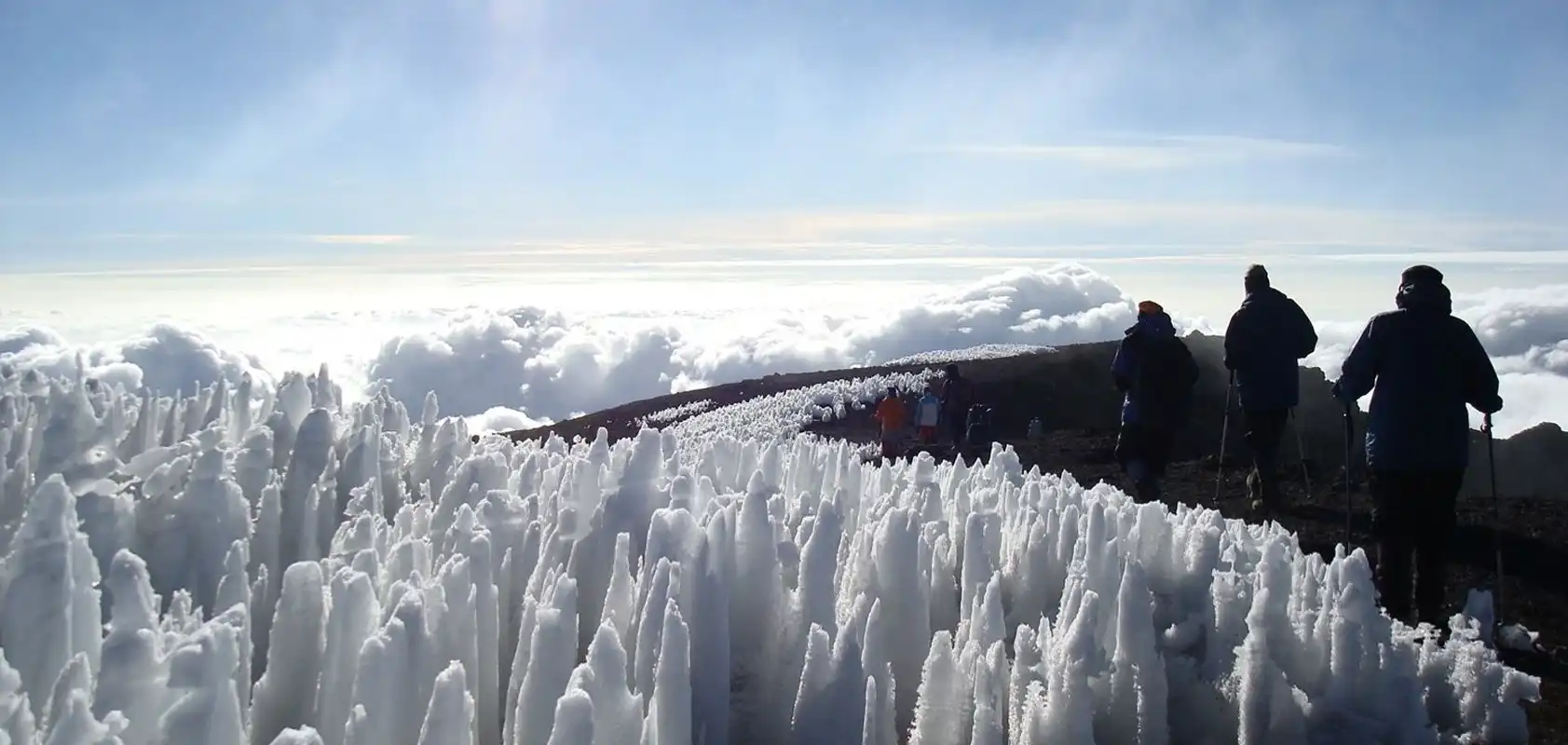
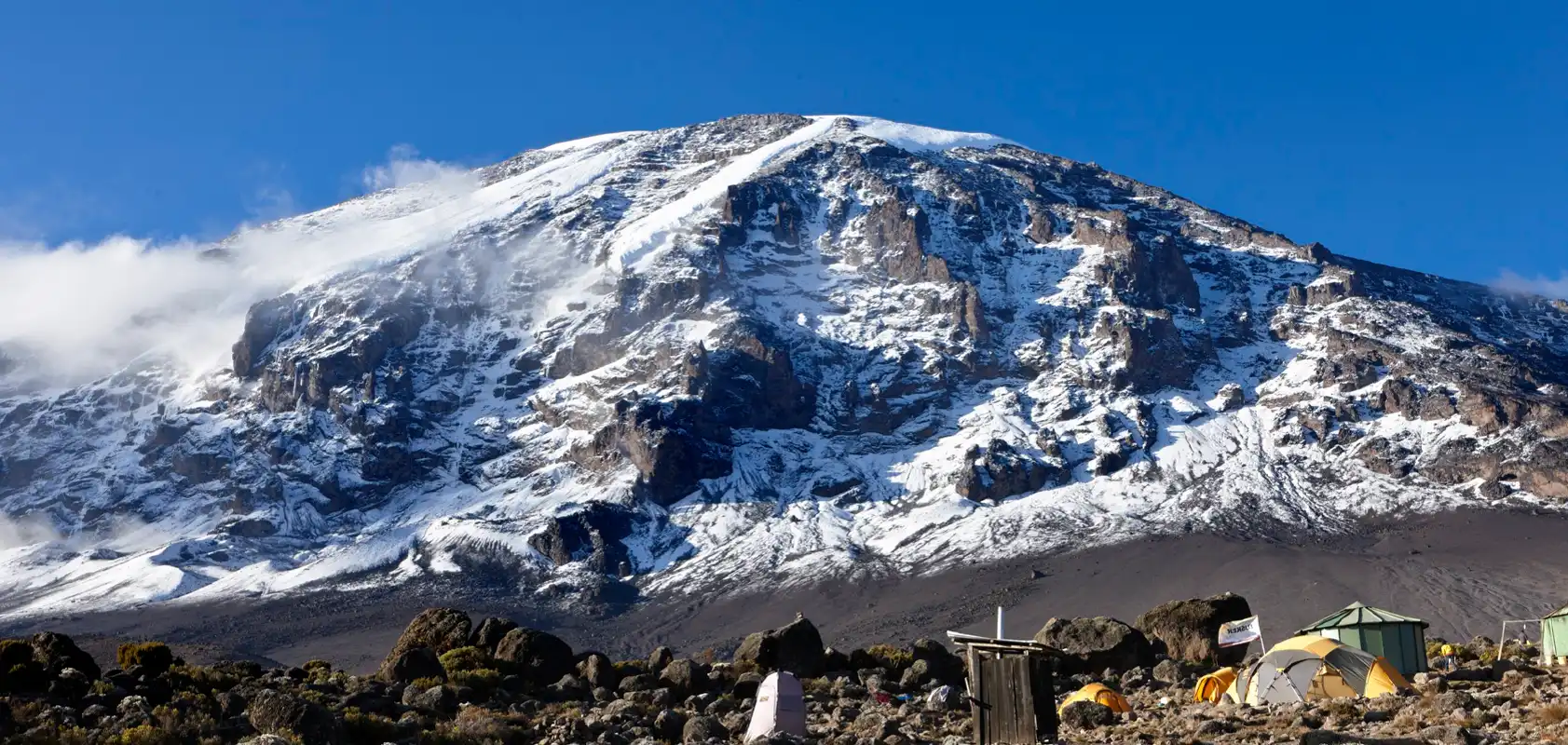
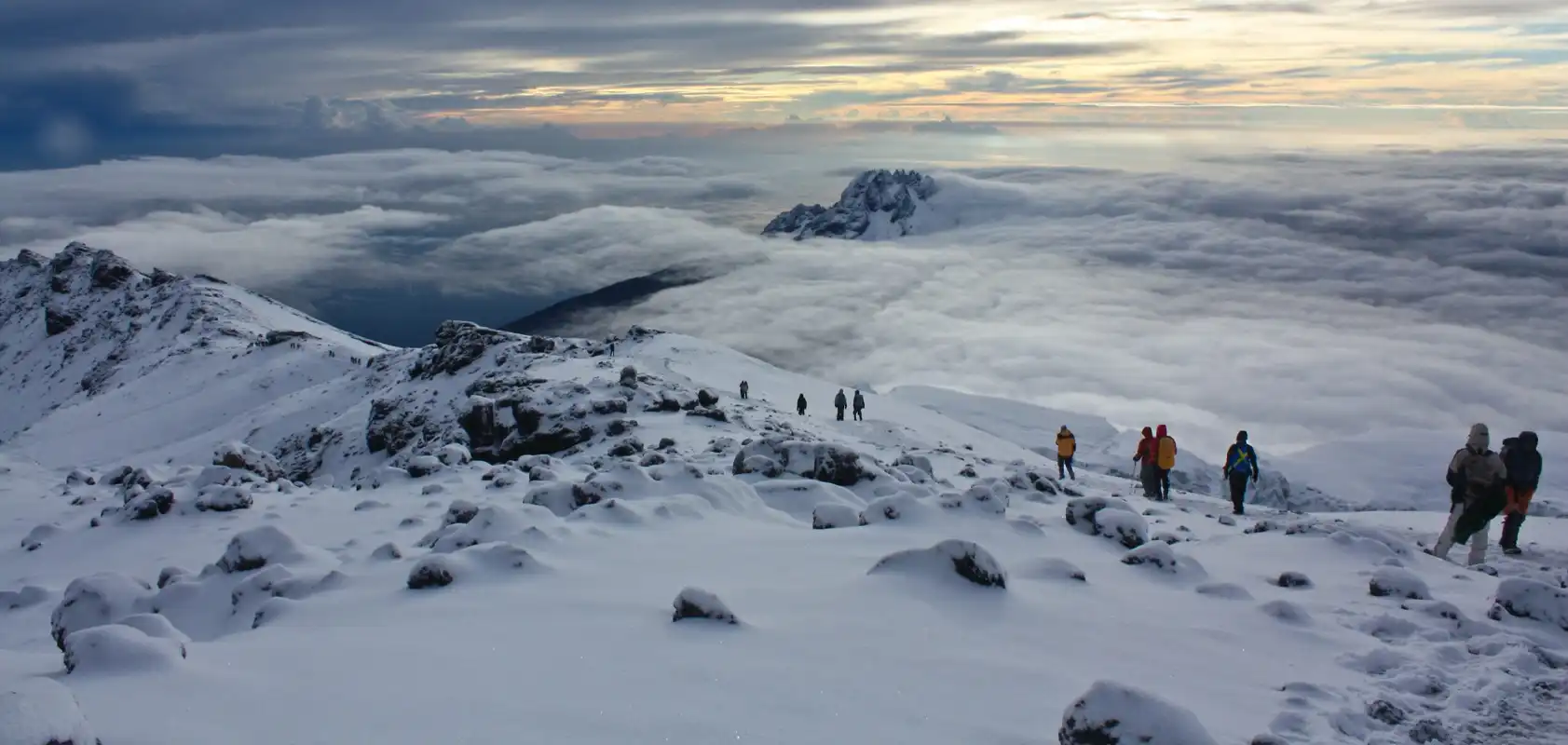
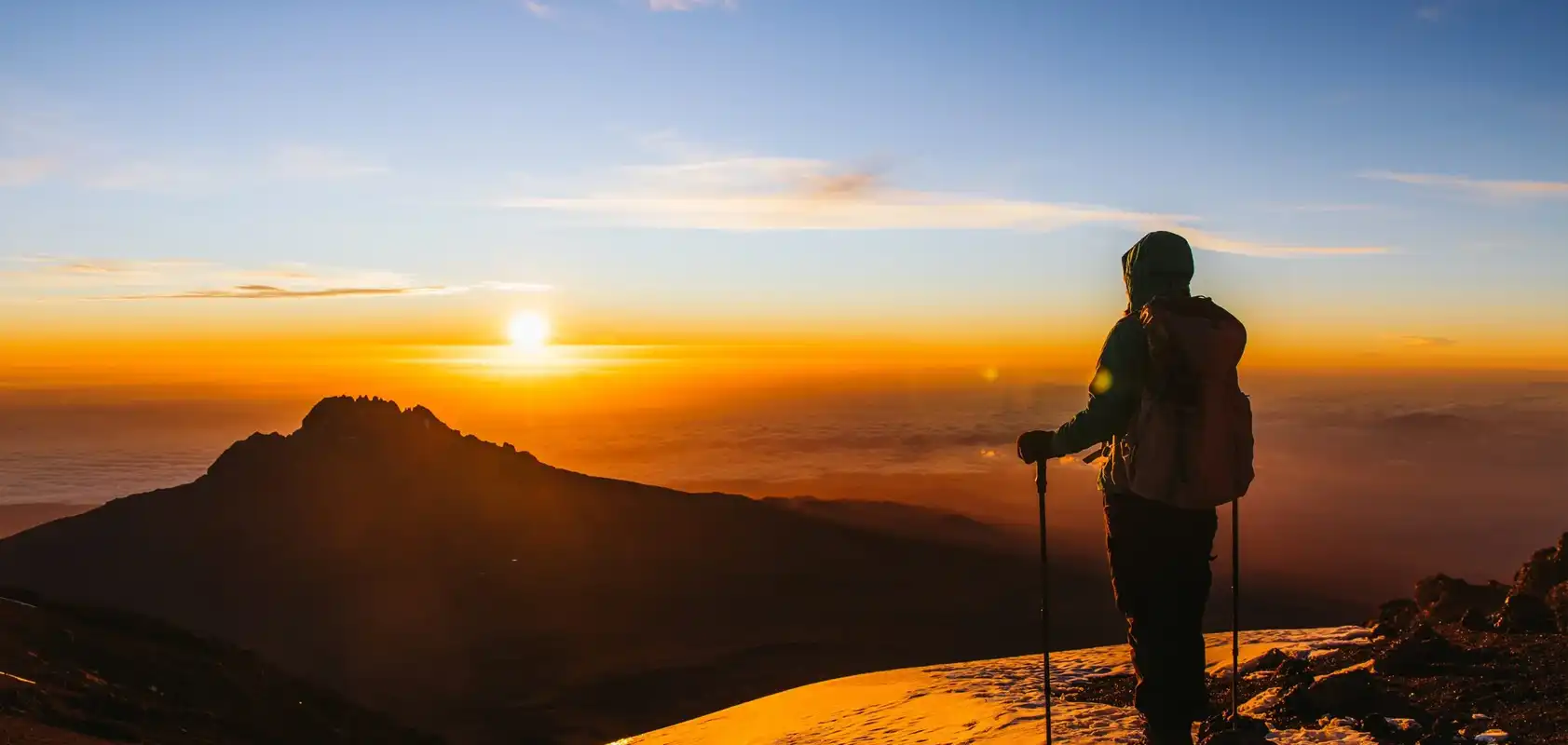
1. Breathtaking Scenery: Trekking through the Shira route treats adventurers to stunning landscapes and panoramic views of Kilimanjaro’s majestic peaks. From lush rainforests to alpine deserts, the route showcases the diverse beauty of the mountain.
2. Tranquil Wilderness Experience: Unlike some of the more popular routes on Kilimanjaro, the Shira route offers a less crowded and more serene trekking experience. This allows trekkers to immerse themselves fully in nature and enjoy the tranquility of the surroundings.
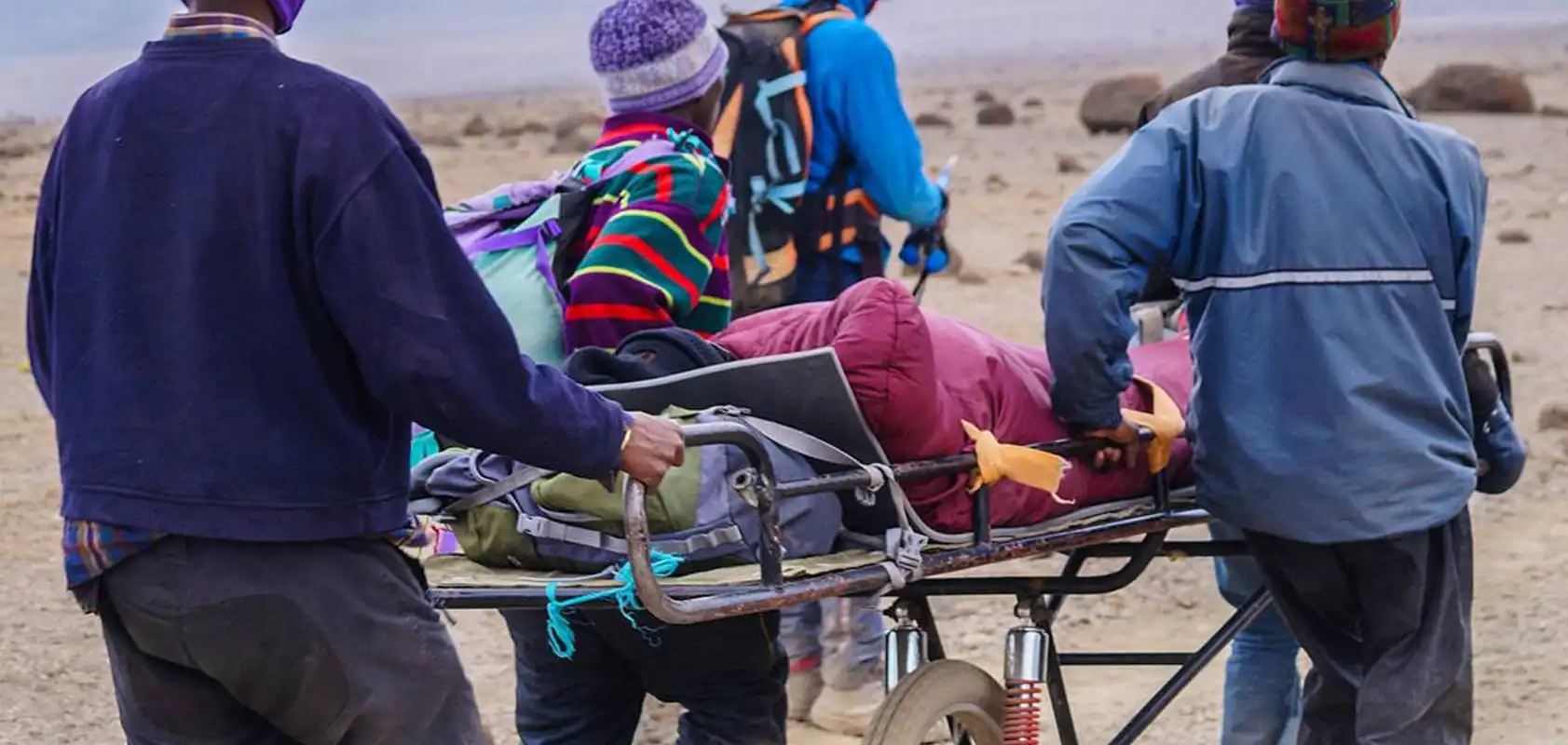
3. Altitude Challenges and Acclimatization: As with any high-altitude trek, climbers on the Shira route may face challenges associated with altitude sickness. However, opting for the Shira Route 7 Days itinerary provides an additional day for acclimatization, helping climbers adjust gradually to the altitude and reducing the risk of altitude-related issues.
4. Unique Starting Point: The Shira Route begins on the western side of Kilimanjaro, offering trekkers a less-traveled path to the summit. This route provides unparalleled views and a sense of adventure as climbers journey through remote wilderness areas.
5. Favorable Success Rate: With a summit success rate ranging from 75% to 80%, the Shira route is known for its favorable outcomes. Proper acclimatization and pacing contribute to the route’s success, making it a popular choice among climbers.
6. Flexible Itinerary Options: Trekkers can choose between the Shira Route 6 Days and Shira Route 7 Days itineraries, both offering unique advantages. The 7-day itinerary, with its additional day for acclimatization, enhances climbers’ chances of summiting successfully.
7. Distance Covered: The Shira route spans approximately 56 kilometers from start to finish, offering trekkers a challenging yet rewarding journey through diverse landscapes.
Day-wise Distance Breakdown:
8. Summit Success Rate: The Shira Route boasts a summit success rate of approximately 75% to 80%, with proper acclimatization and strategic pacing being key factors in achieving success.
We are committed to providing climbers with the necessary guidance and support for a successful summit on the Shira Route. Join us for an unforgettable adventure on Kilimanjaro’s western slopes and embark on a journey to the Roof of Africa today!
Certainly! Here are some frequently asked questions (FAQs) about Kilimanjaro Climb:
Get advice and suggestions to make this your perfect trip.
We’ve gathered essential insights to prepare you for your Kilimanjaro climb. Discover valuable hints, tips, tricks, and recommendations in our comprehensive, free guide
Journey through the heart of Tanzania’s wild landscapes with our expertly guided safaris
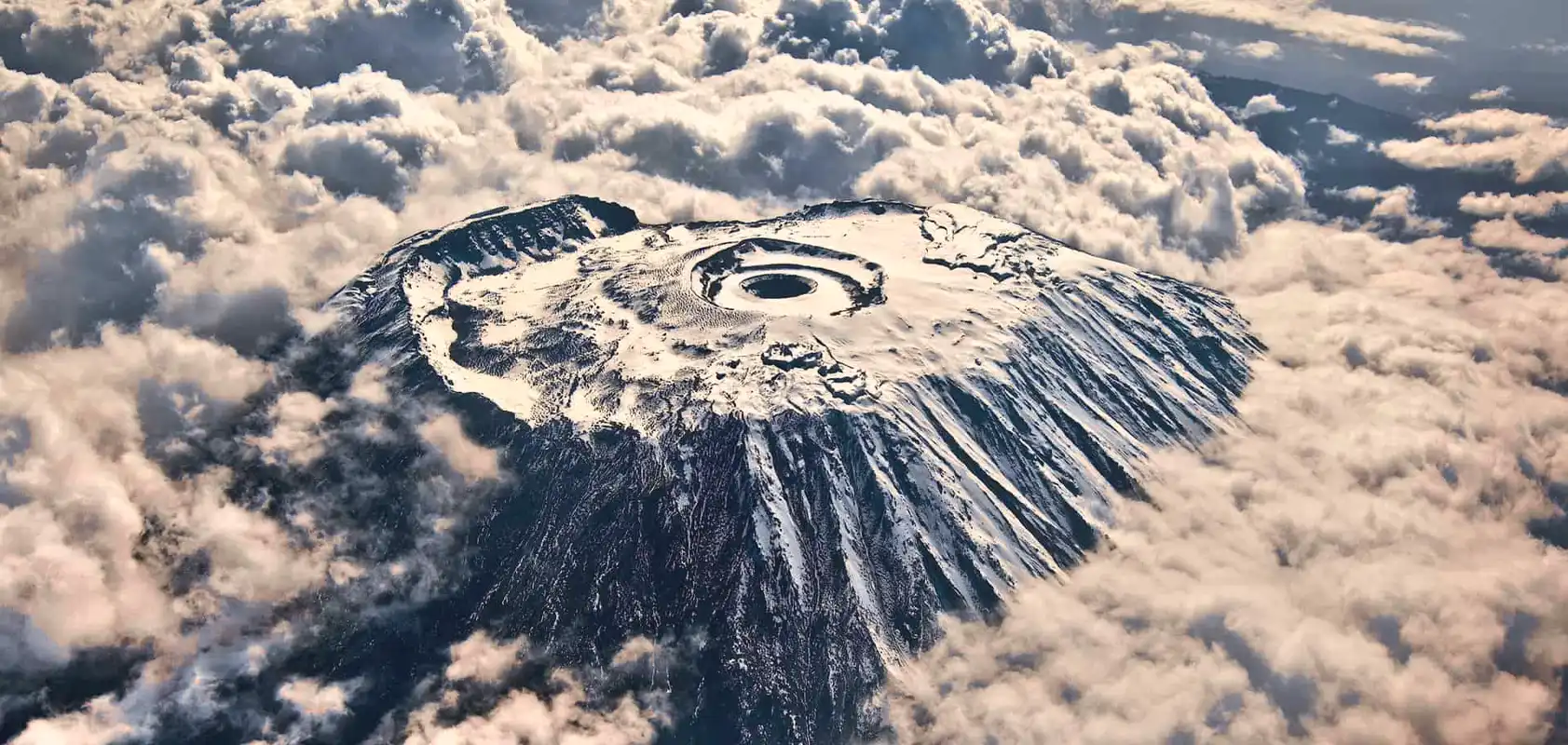
Standing at 5,895 meters, the summit of Kilimanjaro is the highest point in Africa
We help you plan your dream holiday in Tanzania! We show you how to plan your trip in such a way that you may experience it as a lifetime safari experience.

We are a dedicated team of safari enthusiasts deeply passionate about the wonders of Africa.